DGvet- 30 Second Newsletter
The Digital Green Consumption-30 (DGvet-30) project continues to advance its mission of building greener, smarter, and more inclusive vocational education across Europe. Since the start of 2025, partners from Spain (Basque Country), Italy, Slovenia, and Türkiye have been actively collaborating on new activities focused on sustainability, digital transformation, and gender equality in VET.
In this second newsletter, we highlight the progress made over the past months from technical innovations and international presentations to workshops empowering women and students in renewable energy fields. Partners have been developing learning materials, running awareness sessions, and strengthening cooperation with regional institutions to embed sustainable practices into vocational training.
As the project moves forward, DGvet-30 continues to grow its impact, connect communities, and inspire young people and educators to lead the transition toward a cleaner and more energy-efficient future.
The second transnational meeting of the DGvet-30 project was hosted at Zubieta Lanbide Eskola in Spain (Basque Country), bringing together partners from Slovenia, Italy, Türkiye, and Spain to review the progress achieved during the project’s first year. Over two productive days, representatives evaluated completed activities, shared insights from national implementations, and planned the next phase of work with a strong focus on strengthening digital and green practices in vocational education.
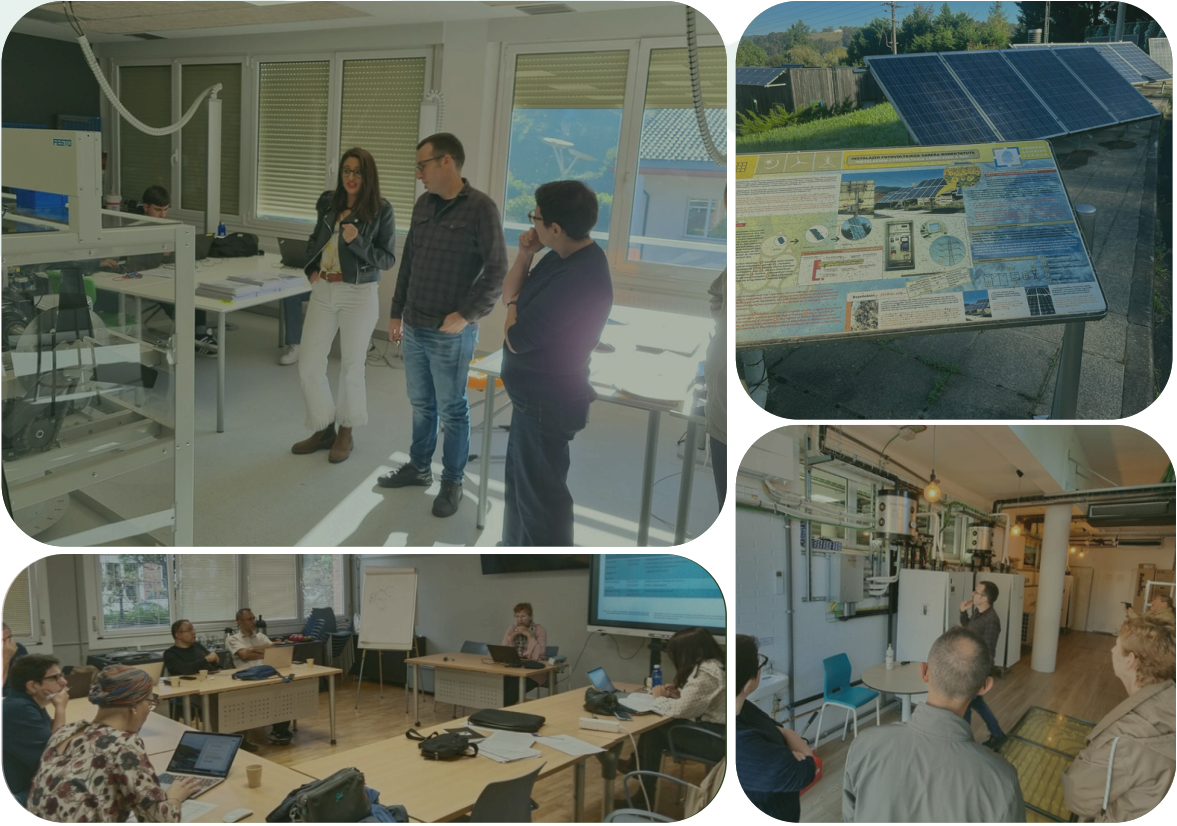
Discussions centered on key themes such as the use of digital tools for energy monitoring, strategies to improve energy efficiency in schools, promoting women’s participation in technical fields, and enhancing the exchange of good practices among partners. A highlight of the meeting was the guided tour of Zubieta’s renewable energy facilities, where partners experienced firsthand how the school integrates sustainable technologies into real learning environments.
The meeting reinforced the consortium’s commitment to building a more sustainable and inclusive VET system. With renewed momentum, DGvet-30 now moves into its second year, where partners will expand digital solutions, pilot new student activities, and continue preparing for upcoming international exchanges.
Project News
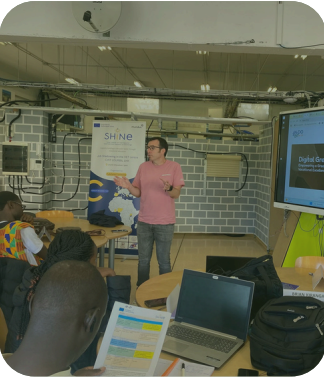
In the second week of June, the DGVET-30 project was presented to TVET teachers from Nigeria, Ghana, and Uganda, specializing in renewable energy. The session fostered exchange of best practices, digital tools, and sustainable energy solutions, strengthening international collaboration and highlighting the importance of green education.
Together, we continue building bridges through education, empowering teachers and advancing DG-VET30’s global impact.
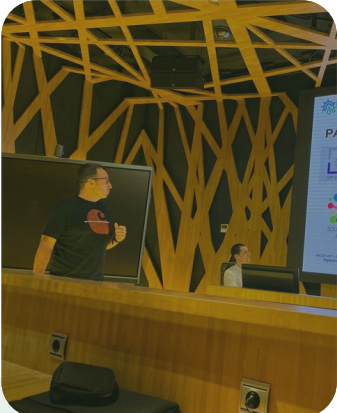
On July 3rd, the DGvet-30 project was presented at Tknika – the Basque VET Applied Research Centre – to teachers, schools, and stakeholders. The session highlighted the project’s mission to integrate sustainability and digitalization into VET education (2024–2027) and Europe’s commitment to green skills.
Partners shared the five main work areas and upcoming plans, including student mobility, digital tools, and school-based projects, marking the project’s second major public milestone.

The pilot implementation at Academia Maribor marked a significant advancement in the project’s efforts to combine digital innovation with sustainability in VET institutions. Building on months of preparation, the initiative transformed traditional classrooms into intelligently managed spaces where technology actively supports both energy efficiency and teaching quality. The new system allows automated routines such as shutting down lights when a room is empty, adjusting air conditioning according to real-time room conditions, and ensuring that windows remain closed during heating or cooling cycles. These automated processes not only reduce unnecessary energy consumption but also help the institution gather valuable data that will inform future improvements in campus energy management.
The pilot also serves as an important learning model for other partner institutions in DG-VET30. By demonstrating how simple, cost-effective digital tools can lead to measurable environmental benefits, Academia Maribor provides a practical reference for schools aiming to modernize their infrastructure.
Teachers who tested the system noted smoother lesson preparation, a more comfortable learning environment, and better focus on interactive teaching rather than manual control of equipment. The success of this implementation highlights the potential for scaling smart technologies across more classrooms and campuses in the coming years, supporting the broader European goal of reducing emissions and promoting sustainable digital transformation in vocational education.
NEXT STEPS FOR DGVET-30
During the upcoming year, the DGvet-30 project will move from planning and initial development into a more advanced phase of practical implementation. Partners will focus on strengthening digital tools for energy monitoring, expanding awareness-raising activities on green habits, and enhancing collaboration across all institutions. The consortium will also begin developing student-led demonstration projects, preparing training materials, and increasing engagement with teachers and local communities. In addition, the next year will include wider dissemination efforts, improved visibility through social media accounts, and the preparation of the first mobility and exchange activities planned in Türkiye. Overall, In the next years we will be dedicated to transforming the project’s ideas into hands-on actions that bring measurable impact to vocational schools across Europe.
As the project enters its second year, partners will deepen their collaboration by sharing good practices, co-creating learning activities, and aligning their institutional strategies to achieve stronger collective results. More emphasis will be placed on inclusivity, especially encouraging women’s participation in technical and renewable-energy pathways. The upcoming period will also strengthen international cooperation, ensuring that each partner contributes actively to building a more sustainable, digitally skilled, and future-ready VET community across Europe.